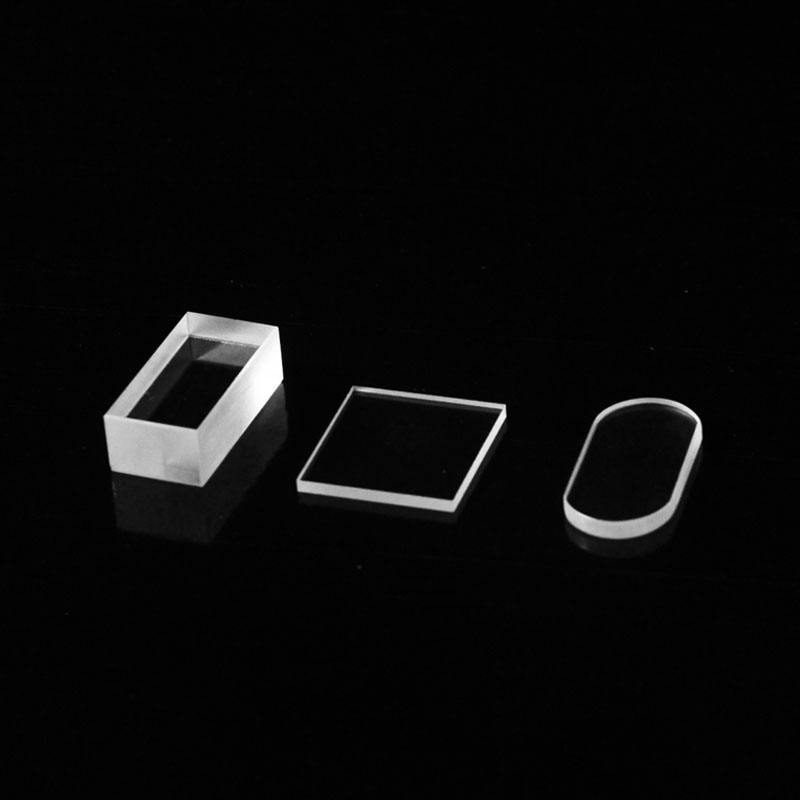
Transmit & protect
Optical Window
Browse optical windows by material, geometry, coating and application.
Explore familyPrecision optics, clearly connected
Explore optical components, understand the materials behind them, and find a starting point for your next optical system.
Component directory
Optical component families. One connected starting point for your design.
Transmit & protect
Browse optical windows by material, geometry, coating and application.
Explore family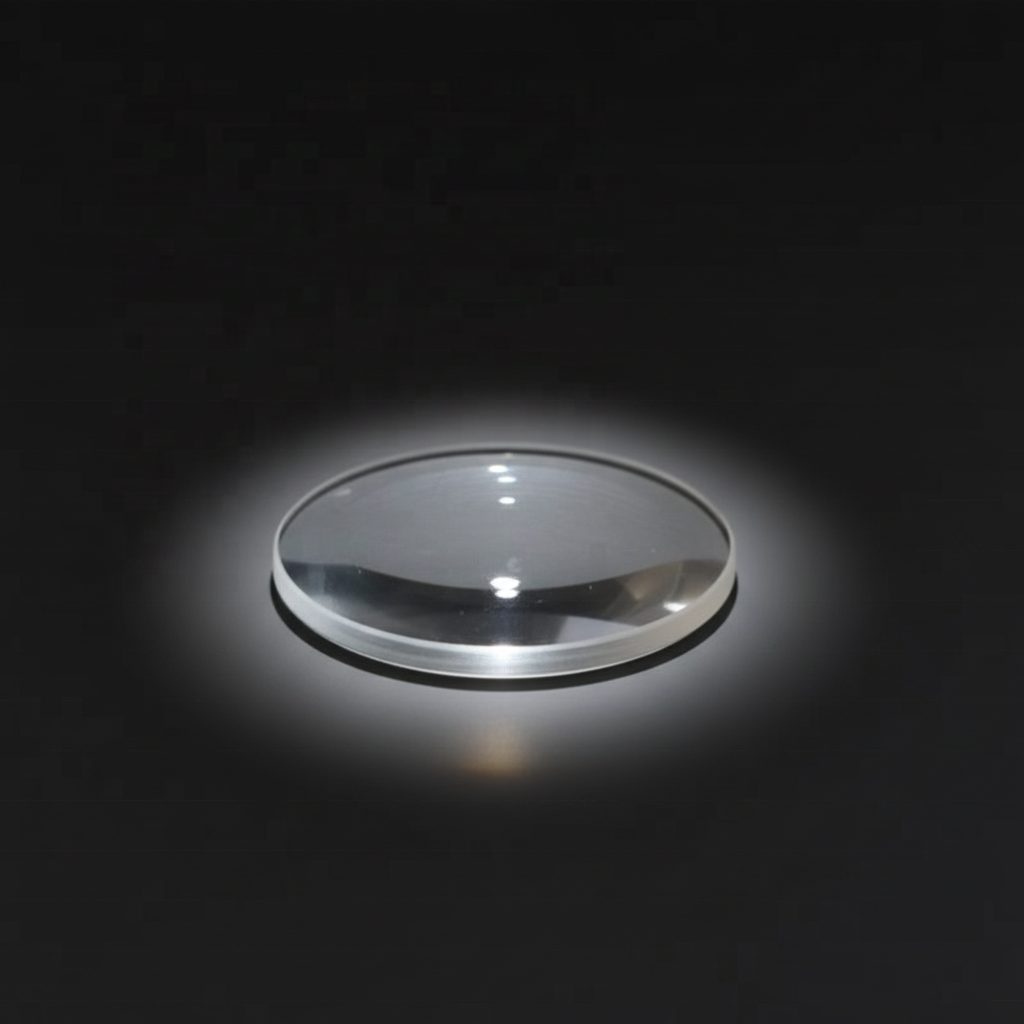
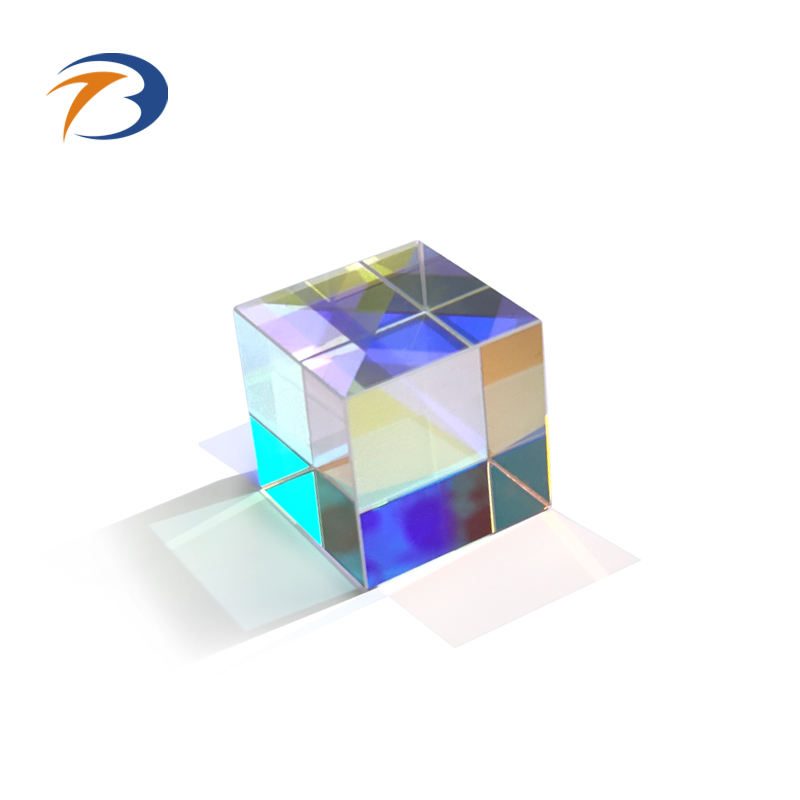
Reflect & route
Browse beamsplitters by material, shape, size and coating.
Explore family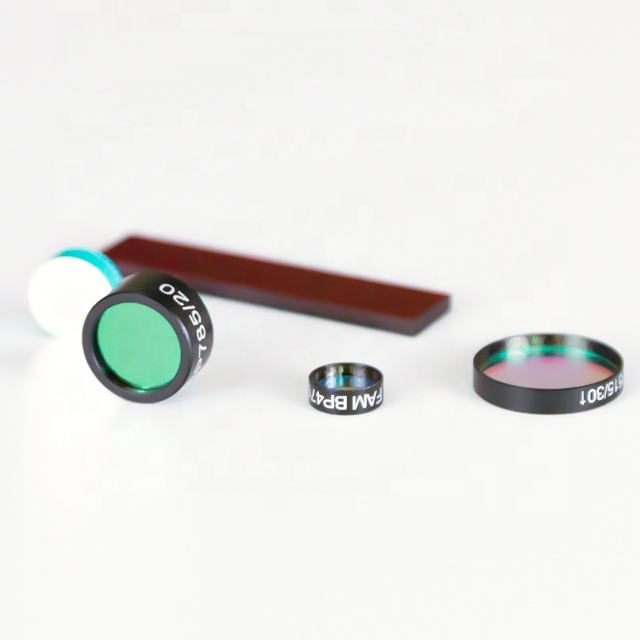
Control & select
Browse optical filters by filter type, material, size and coating.
Explore family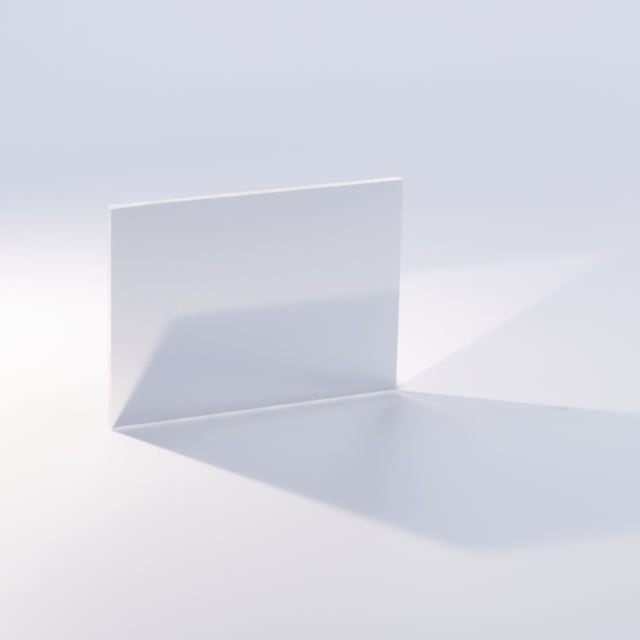
Reflect & route
Browse optical mirrors by shape, material, size and coating.
Explore family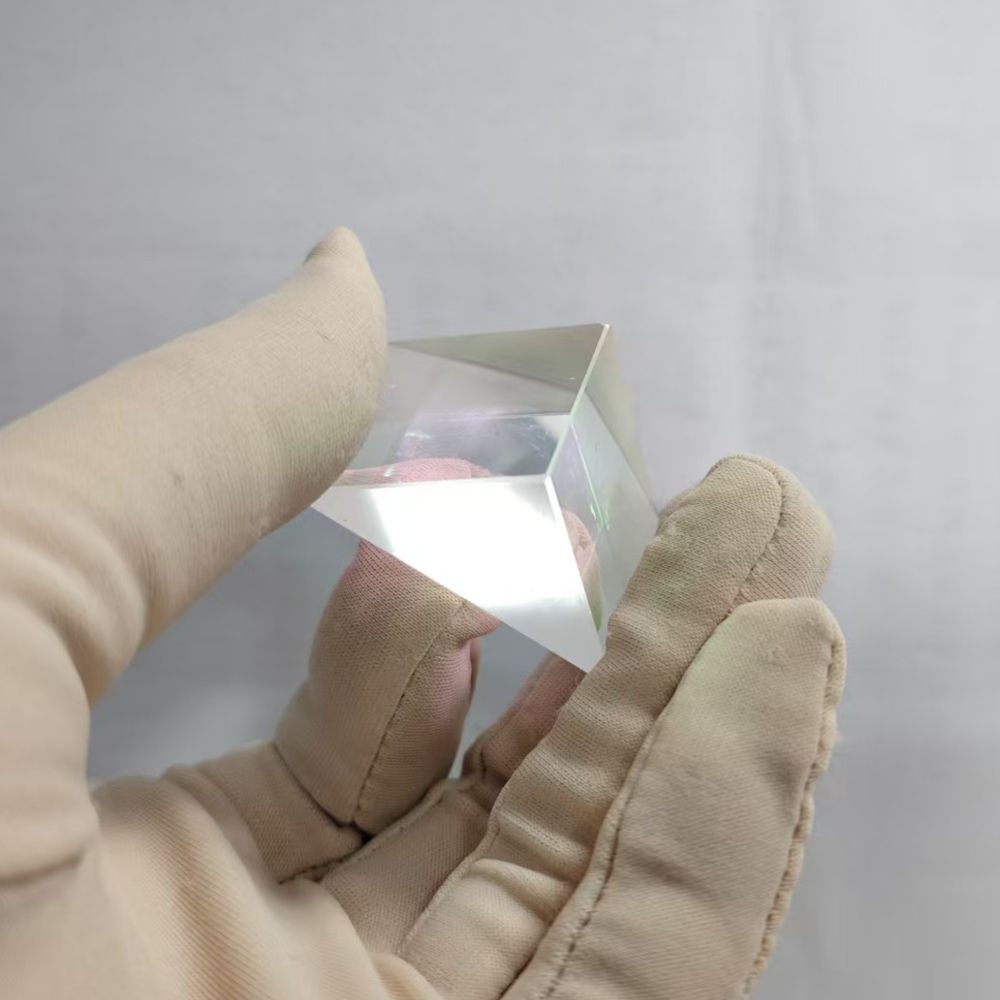
Material library
Understand the substrate before you specify the optic.
Visible · near IR
A familiar starting point for visible-light lenses, prisms and other general-purpose optical components.
UV · visible · near IR
An optical substrate to consider when ultraviolet transmission or low thermal expansion matters.
UV · visible · IR
A low-dispersion crystalline material used in selected broadband, ultraviolet and infrared optical designs.
Application pathways
Follow the optical task to the components and knowledge behind it.
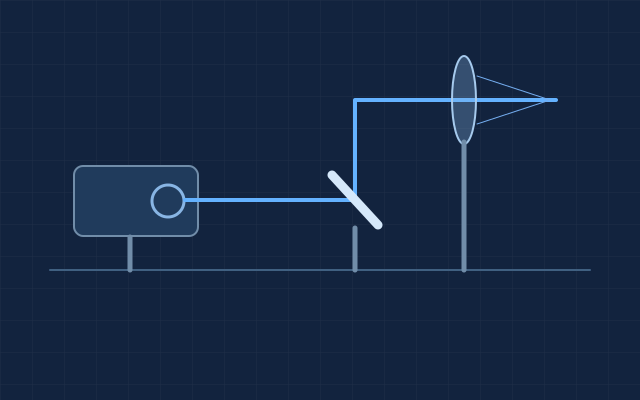
Application pathway
Connect wavelength, beam size and power conditions to focusing, steering and polarization components.
Explore application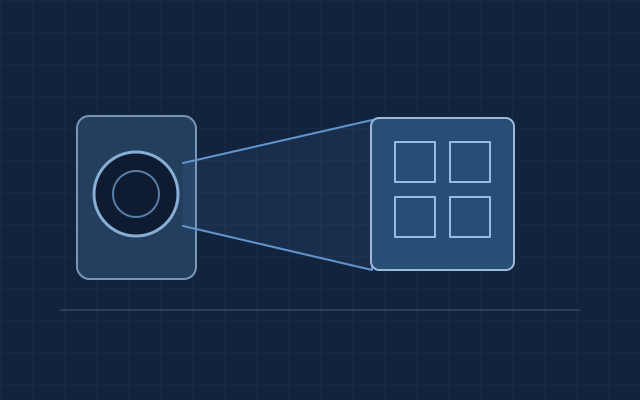
Application pathway
Build a selection brief around field of view, working distance, sensor format and illumination.
Explore application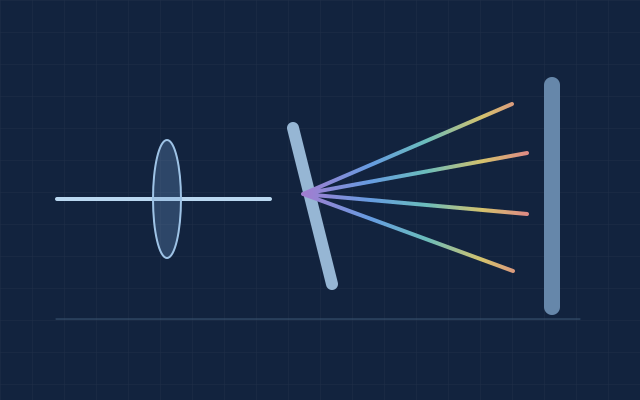
Application pathway
Explore components for wavelength separation, band selection and light collection in a spectrometer.
Explore applicationKnowledge center
Practical guides for better component selection.
Knowledge
Optical windows classify by four dimensions: wavelength, material, coating, and size/thickness. Walk them in order and a vast catalog becomes a short shortlist.
Read guideKnowledge
How an optical window works: two parallel faces bend light in and back out, the substrate sets the band, AR coatings cut reflection loss.
Read guideKnowledge
Choose an optical window material in four steps: wavelength range, environment, pressure load, and cost. Covers N-BK7, fused silica, sapphire, and ZnSe.
Read guideA useful starting point
Start with the optical function, working wavelength and beam geometry. Then review the component family, substrate, coating and mechanical constraints together.
Use the spectral region to build a shortlist. Confirm the material grade, thickness, coating and operating conditions against the actual transmission data.
Include the optical task, material, dimensions, wavelength band, coating, tolerances, operating conditions and acceptance requirements.